Rooflight Installation: A Complete Step-By-Step Guide for Homeowners by Experts
Rooflight installation offers a straightforward approach to increasing natural illumination inside a house. The installation can enhance the atmosphere while lowering energy expenses. Homeowners must consider various factors, such as the rooflight style, required equipment, and safety precautions. Factors like building structure and environmental conditions need thorough assessment. Familiarity with these factors will ready property owners for a smooth installation. Up next, the benefits of integrating a rooflight into your living space will be explored.
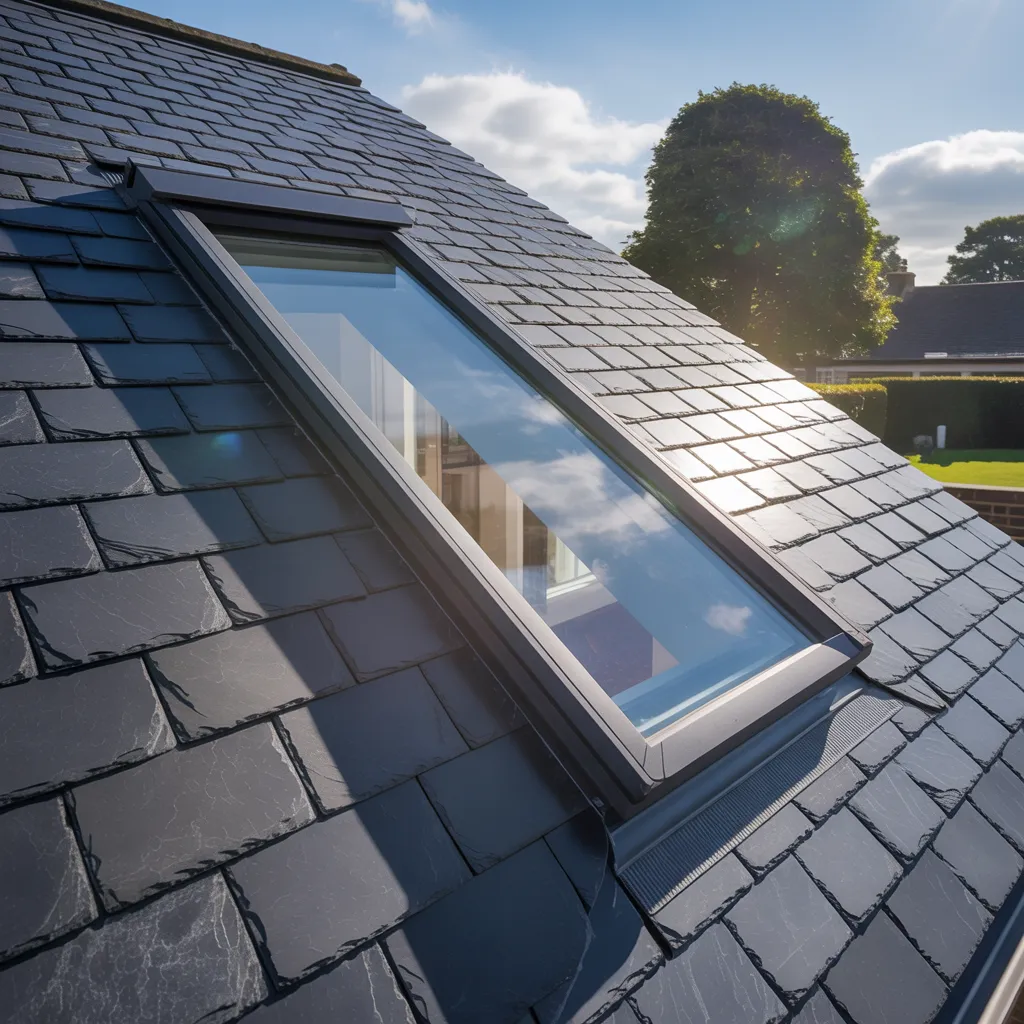
Why You Should Install a Rooflight? What It Means for Your Home
What are the benefits of installing a rooflight? Rooflights provide a wide range of benefits that improve both the visual appeal and practical functionality of a home. They convert dim, underused spaces into bright and welcoming areas by letting natural sunlight pour in, which can significantly boost mood and overall well-being. Increased daylight reduces reliance on artificial lighting, thereby lowering energy costs.
In addition, rooflights can improve ventilation, providing a fresh air flow that promotes a healthier indoor environment. Numerous homeowners recognize the added architectural interest that rooflights bring, making their homes more aesthetically pleasing. Furthermore, a well-placed rooflight can further increase property value, enticing interested buyers with its sleek and airy appearance. In conclusion, installing a rooflight can create a lighter, more wholesome, and more worthwhile living space, making it a beneficial choice for every homeowner seeking to improve their property.
Picking the Perfect Rooflight for Installation
When selecting the most suitable rooflight for fitting, homeowners must consider several factors to make certain it meets their needs and complements their home. Initially, the measurements and design of the rooflight are vital; it should fit well within the current structure while delivering ample natural light. Additionally, the choice of glazing is significant; options like double or triple glazing offer improved insulation and energy efficiency. Property owners should also assess the rooflight's ventilation features, as adequate ventilation can assist in lowering humidity and enhance indoor air quality.
Design elements, such as the materials and colors of frames, also contribute to ensuring the rooflight elevates the overall look of the home. In addition, it is crucial to consider local planning permissions and building regulations, which may determine the rooflight decision. By thoughtfully evaluating these elements, homeowners can choose a rooflight that not only meets functional needs but also elevates their living space.
Step-By-Step Installation Process
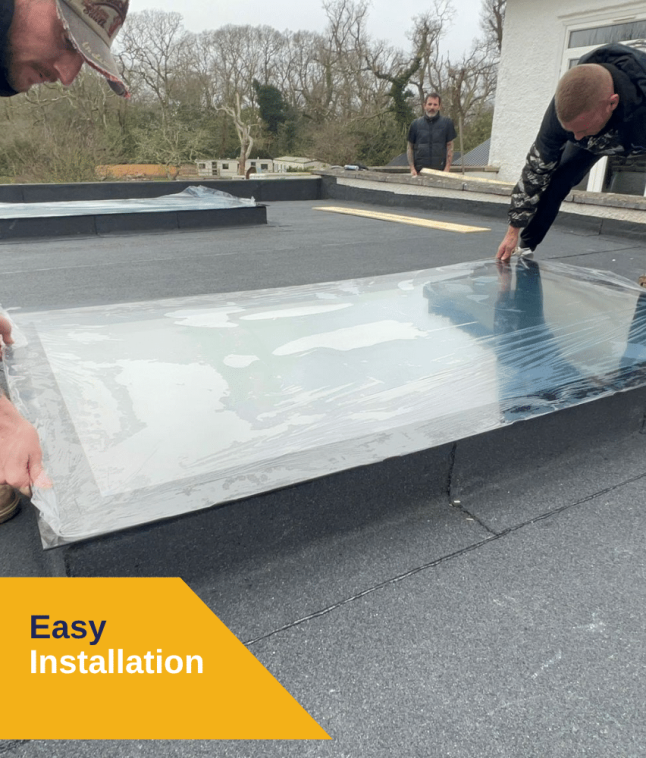
After selecting the right rooflight, the next stage encompasses the installation method, which necessitates careful attention to detail to guarantee a successful result. The first task is to set up the installation area by confirming the roof is accessible and clean. Once this is done, measurements must be taken carefully to indicate the planned placement for the rooflight, ensuring proper alignment to the current roof framework.
Subsequently, the roofing materials are precisely cut according to the established measurements. The next step involves the installation of a curb or frame to reinforce the rooflight, which must be carefully fastened to guard against leaks. Once the curb is in place, the rooflight is installed and sealed with weatherproof flashing. Lastly, any final details, such as interior trim, are incorporated to finish the installation. This systematic process ensures the rooflight operates effectively while boosting the home's visual appeal and natural light.
What Equipment Do You Require for Rooflight Installation?
Several essential tools are needed for a rooflight installation to be successful. It is important for homeowners to collect the right tools to guarantee efficiency and safety during the process. A power drill is critical for creating accurate holes and fastening fixtures. A jigsaw or circular saw is needed for cutting the roof opening, while a measuring tape ensures accurate dimensions. A level is important for positioning the rooflight with precision.
Protective gear, comprising protective gloves and goggles, defends against potential hazards. Additionally, a roofing hammer or nail gun assists with the fitting of flashings or shingles around the skylight. A caulking gun is equally essential for ensuring watertight joints. Lastly, a sturdy ladder or scaffolding provides safe and reliable roof access. By preparing these tools ahead of time, homeowners and contractors can complete the installation efficiently and achieve excellent outcomes.
Setting Up Your Roof: Safety and Structural Requirements
Before commencing a rooflight fitting, it is vital to focus on safety and evaluate the roof's structural stability. Suitable protective gear, such as safety harnesses and hard hats, is required to protect against possible dangers. Furthermore, carrying out a detailed inspection of the roof confirms it can accommodate the new fitting without compromising stability.
Safety Gear Essentials
Safety see now during rooflight installation starts with selecting appropriate safety gear. Homeowners should prioritize using a hard hat as protection from falling objects. Non-slip shoes are necessary to ensure stable footing on rooftops, minimizing the chance of slipping or falling. Additionally, safety harnesses should be employed when working at significant heights, anchoring securely to prevent accidents. Eye protection shields against dust and stray particles, and gloves offer a secure grip while shielding hands from sharp surfaces. It's also advisable to use knee pads for comfort during extended periods on the roof. Through the use of these vital protective items, homeowners can lower potential dangers and carry out the installation process with enhanced assurance and safety.
Structural Evaluation
Carrying out a structural integrity evaluation is crucial for a secure rooflight installation, as it enables you to detect any pre-existing problems that may undermine the roof's stability. Homeowners should first inspect the joists and rafters for signs of damage, such as cracks or rot. It is important to examine the existing roof structure, ensuring they can handle the added load of the rooflight. Working with a structural engineer can offer important guidance, especially for properties with previous damage or older constructions. Additionally, checking for adequate drainage and ventilation is important to avoid potential issues. By addressing these structural considerations, homeowners can secure a reliable installation, enhancing both safety and the longevity of their rooflight.
Fit Your Rooflight with Ease: Vital Pointers
Achieving a successful rooflight installation depends on proper planning and a keen eye for detail. Homeowners should begin by assembling all the essential tools and materials, making sure everything is within reach before starting. It is important to follow the manufacturer's instructions closely, as each rooflight may have specific requirements.
Additionally, drafting a well-structured plan optimizes the setup process. Indicating the spot where the rooflight will be fitted prevents mistakes, while double-checking measurements provides accuracy.
When working through the roof, utilizing a sharp cutting blade can help avoid damage to the surrounding materials. Appropriate safety measures, such as wearing protective gear and securing the work area, are essential to avoid accidents.
Sealing the rooflight properly is vital to prevent leaks. Homeowners are advised to apply premium sealant around the edges to guarantee durability. By adhering to these important tips, the installation process can progress without issues, leading to a effective and attractive rooflight enhancement.
5 Common Installation Challenges and How to Solve Them
Throughout the process of rooflight installation, a range of difficulties can occur that may slow down the work. Identifying common obstacles is essential for effective problem-solving. This section will outline the top five obstacles and provide practical solutions to ensure a smooth installation.
Frequent Installation Hurdles
Fitting rooflights often comes with a number of obstacles that could complicate matters and influence the overall result. One common obstacle is insufficient structural reinforcement, which can create safety concerns and compromised integrity. Weather conditions, such as wet conditions or gusty winds, can delay installation and reduce material effectiveness. Additionally, improper measurements may cause rooflights to fit incorrectly, necessitating costly adjustments. Another challenge involves navigating around established plumbing or electrical components, which can make installation more difficult. To conclude, obtaining the necessary permits can be demanding of significant time, leading to setbacks and possible legal complications. Acknowledging these issues ahead of time can enable homeowners to make adequate preparations, guaranteeing a more seamless fitting process.
Proven Problem-Solving Techniques
Navigating the challenges of rooflight installation frequently demands effective problem-solving strategies to tackle common challenges. One frequent challenge is incorrect dimensions, which can lead to ill-fitting units; double-checking dimensions prior to purchase is essential. A further concern involves ensuring structural integrity, seeking expert advice can assist in assessing the roof's load-bearing ability. Leaks during the installation process are a frequent occurrence, utilizing high-grade sealants and observing manufacturer recommendations can minimize this hazard. Moreover, challenges related to electrical wiring for built-in lighting can occur, residents would benefit from enlisting a certified electrical professional. To conclude, handling sudden shifts in weather conditions can affect schedules, scheduling installations during favorable conditions is advisable. Through careful preparation for these issues, homeowners can ensure a more seamless rooflight fitting experience.
Frequently Asked Questions
How Long Does a Rooflight Installation Typically Take?
The installation of a rooflight typically takes one to three days, based on factors such as the complexity of the design, the roofing materials used, and prevailing weather conditions, to ensure a proper fit and seal for the best possible performance.
Can I Fit a Rooflight on My Own or Should I Hire a Professional?
Individuals can fit a rooflight themselves if they have the required skills and equipment, but it is generally advisable to hire a professional for the best results and to confirm conformity with building codes and safety standards.
What Upkeep Is Needed After Installation?
Once installed, routine upkeep for a rooflight involves washing the glass panels, examining seals for any signs of leaks, assessing the surrounding roofing materials, and confirming adequate drainage. These steps help maintain functionality and extend the rooflight's lifespan.
Can Rooflights Be Energy-Efficient Additions to My Home?
Rooflights can be energy-saving solutions for households, enabling natural light to minimise dependence on artificial lighting. If appropriately installed and insulated, they improve thermal efficiency, potentially lowering heating and cooling costs over time.
What Permits Do You Need for Rooflight Installation?
As a rule, property owners require planning permits for installing rooflights, which can involve planning consent and meeting local building regulations. Speaking with local authorities confirms adherence to zoning laws and safe building practices prior to commencing the installation.